Materials and Components
Choosing the correct material for any particular task is essential for a manufacturing activity.
Materials are divided into:
Raw materials ( natural and artificial ) and
Processed materials ( artificial materials )
Natural materials such as wood or stone exist in nature and we use them as they are. Example of these materials are wood, stone, sand, wool etc
Natural resources are split into 3 categories:
-
Animal
-
Vegetable
-
Mineral
Artificial Materials

Artificial materials or Processed materials are those which have been transformed by man.
For example, iron is a natural material because we obtain it from mines. If we add carbon atoms to the iron, we get steel and steel is stronger that iron with better properties.
Even more, if we also add chrome, we get Stainless steel. It is also called corrosion-resistant steel
So stainless steel is an artificial material, although we get iron from nature ( natural material )
Wood
Divided into two major classifications:
Hardwoods and Softwoods
There is great confusion about the terms hardwood and softwood. These terms do not refer to its technical properties but its origin. In this way, there are softwood trees which have hard wood and viceversa.
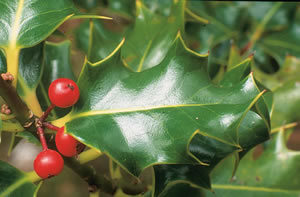
Most Softwood trees have spiky leaves with branches forming rings
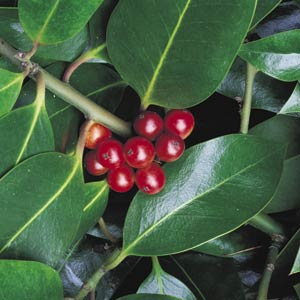
Hardwood Trees have broad, flat leaves. Branches usually grow at different levels and never more than two at the same level
| Types of trees | |
|---|---|
 |
 |
Spiky leaves |
broad-leaved |
Wood is an organic material. In a living tree it transfers water and nutrients to the leaves. It has a support function, enabling trees to reach large sizes or to stand up for themselves.
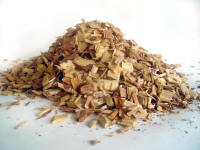
We also call materials engineered made from wood ‘wood’ , such as wood chips
People have used wood for many purposes such as:
Fuel
Construction material for making houses.
Weapons , paper, furniture, tools, etc.
 In a tree trunk ( image on the left ) , not all the parts offer the same quality wood.
The best part are the sapwood and the heartwood.
The wood at the center of the trunk is called heartwood and it is older, darker and more durable than the surrouding wood.
As a tree grows, a thin layer of cells called the cambium generates new wood, called sapwood
Sapwood is softer and lighter in color than heartwood. As the sapwood ages, natural substances invade the sapwood and gradually convert it to heartwood.
Furniture made of hearwood will last longer than furniture made of Cambium wood
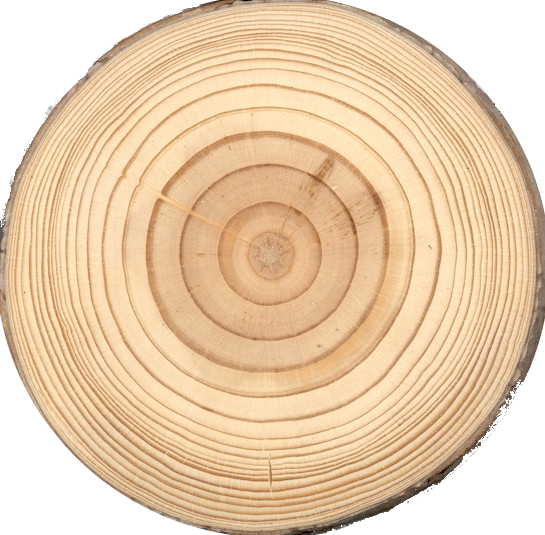
Wood can be dated by carbon dating and in some species by dendrochronology .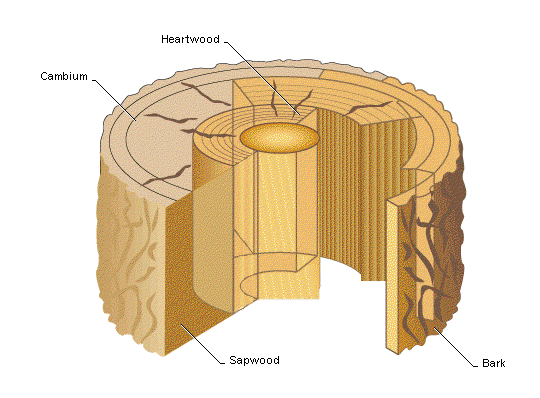
But dendrochronology is very useful to know about the year-to-year variation in tree-ring widths and gives clues to the climate at that time. Click on dendrochronology
Artificial wood planks
It can defined as wood products manufactured by glueing together wood particles ( wood chips ) or fibres
 |
 |
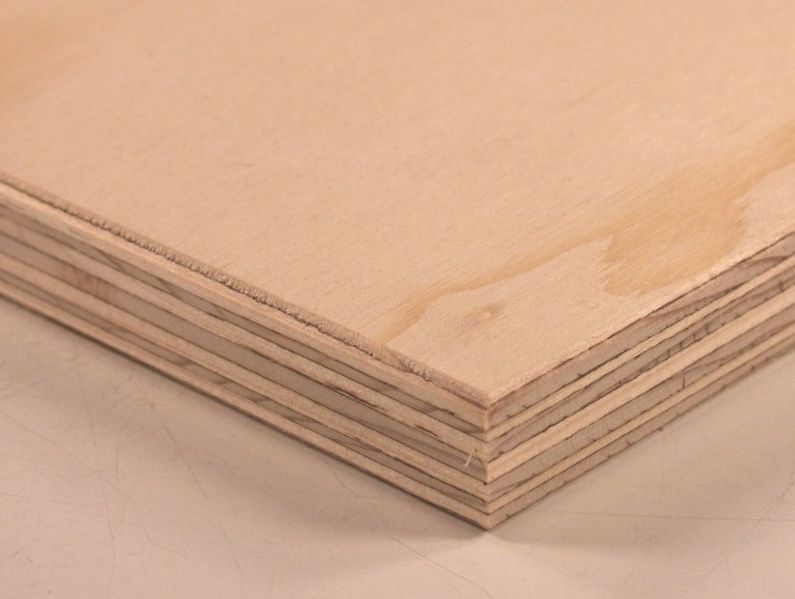
Plywood is a type of composite wood made from thin sheets of wood.
|
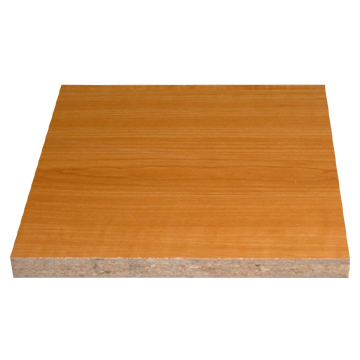
Fiberboard Fibre boards is made of a mixture of glue and wood fibers. It much cheaper than natural wood because it is made from wood chips. Fibre board is heavily used in the furniture industry. For pieces that will be visible, a layer of wood is often glued onto fiberboard to give it the appearance of conventional wood ( See image above ). |
Wood chips are used primarily as a raw material for technical wood processing.